
For many contractors these days, the search for construction supplies in the Philippines involves looking at how technology and environmental standards influence material performance. And since the construction industry is entering a new phase, the priority is no longer just on speed but also on long-term value and resilience. Here are five trends that reflect a collective movement toward smarter, greener, and more efficient ways to build in a tropical climate.
1. Growth of Biochar-Infused Materials
Now being added to regular cement mixes, biochar is a charcoal-like material that’s formed by heating organic waste without air. This additive helps sequester carbon that would otherwise enter the atmosphere, making it a favorite for "Net Zero" residential projects. In fact, this year, many suppliers are offering biochar-infused concrete. As well as mortars that provide excellent thermal insulation without losing any structural strength.
2. Mainstream Adoption of Modular Prefabrication
Off-site manufacturing has evolved from a niche solution to a primary method for addressing the urban housing shortage in Metro Manila and Cebu. Pre-engineered units are built in controlled factory settings before being transported to the site for final assembly. This method reduces material waste and helps maintain a predictable schedule, as the production of the components is not affected by unpredictable monsoon rains.
3. High-Performance Engineered Bamboo
Often called "green steel," bamboo grows quickly in the environment and offers a high strength-to-weight ratio. Modern processing techniques now turn raw bamboo into laminated beams and structural panels that meet international building standards. These engineered products are frequently used for eco-friendly resorts and modern tropical homes that require a durable alternative to imported hardwoods.
4. Smart and Self-Healing Concrete
Advances in biotechnology have led to the introduction of concrete that can repair its own cracks through the use of embedded mineral-producing bacteria. When water enters a fissure, the bacteria activate and produce limestone to seal the gap, preventing internal steel reinforcements from rusting. This technology is particularly useful for seawalls and high-rise foundations in coastal areas where salt-water exposure is a constant threat to longevity.
5. Circular Economy and Recycled Metal
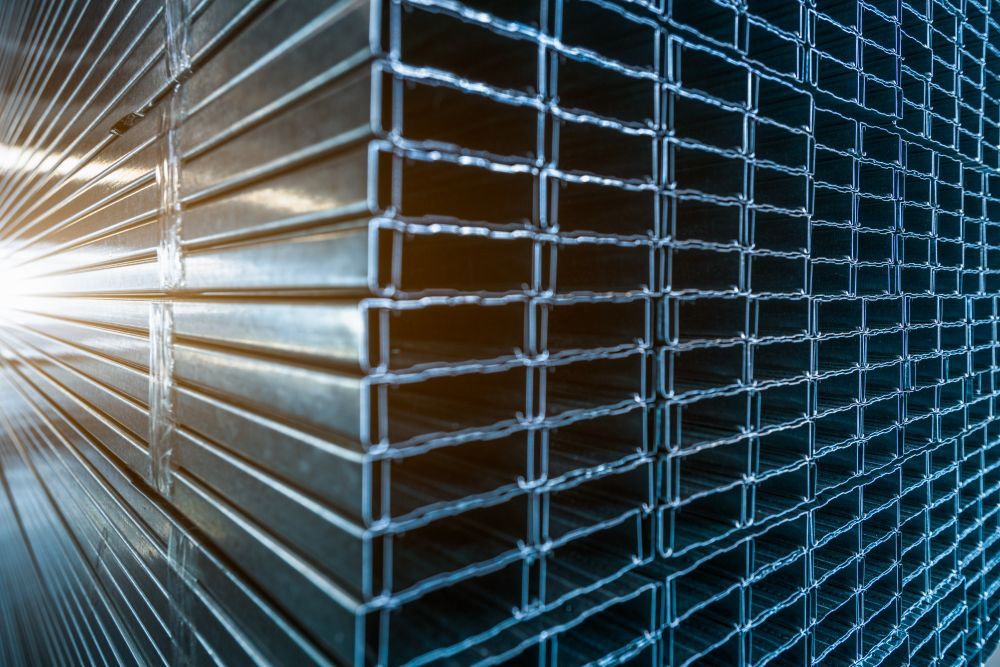
Steel and aluminum remain the most recycled building materials because they do not lose their mechanical properties when reprocessed. Many projects this year are prioritizing recycled metal framing over virgin timber to improve resistance against fire and termites. Because using these materials supports a circular economy by diverting industrial scrap away from landfills. And aside from that, it reduces the energy needed for new material production.
Why is Climate Resilience a Top Priority?
Because of frequent natural disasters, there’s now a high demand for materials that can withstand typhoons and seismic movements. Many current construction supplies in the country are being redesigned with specialized coatings. And to handle these environmental stresses, they’re also being made with reinforced cores. Such disaster-resilient materials protect the physical structure and reduce the long-term cost of frequent repairs or reconstruction.
How Does Automation Influence Supply Chains?
Digital tools and AI-driven inventory systems allow suppliers to track their stock levels and delivery schedules with much higher accuracy. Automated warehouses help reduce the time it takes to process orders for heavy items like cement and steel bars, keeping project sites active. This digital integration helps small contractors stay competitive by providing them with real-time data on material availability and market price changes.
What is the Impact of Green Certifications?
LEED or BERDE certifications are widely sought by developers to raise commercial property marketability and rental value. These standards require the use of low-VOC paints, energy-efficient glazing, and responsibly sourced timber to improve indoor air quality. Following these guidelines helps a building consume less electricity and water, providing a significant return on investment through lower utility bills over time.
How Do These Trends Improve Project Timelines?
Modern materials like Quick-setting adhesives and pre-aligned concrete panels allow teams to finish interior work much faster than the traditional way. Using these updated construction materials reduces the number of specialized laborers needed for basic structural tasks. Therefore, this kind of efficiency provides a big advantage. Especially for developers who need to deliver high-quality units to the market while avoiding common site delays.
Why is Regional Sourcing Becoming More Popular?
Supplies manufactured within the country reduce risks from shipping delays and exchange rates. And also,domestic companies now produce structural components that match international brands. Supporting these manufacturers guarantees that replacement parts remain available for future maintenance.
Key Takeaway
Keeping up with the latest construction supplies in the Philippines involves a move toward materials that are both technologically advanced and environmentally responsible. Integrating these five trends can help you build structures that are more durable, faster to complete, and better suited for the tropical climate. But first and foremost, visit different hardware stores or consult with tech-forward suppliers to see these supplies in person.