
Hair loss affects millions of men globally, often causing stress and low confidence. For those seeking solutions, best scalp treatments for hair loss offer science-backed options to address thinning hair and scalp issues. This article breaks down popular treatments like minoxidil and finasteride, along with lifestyle adjustments that support healthier hair growth.
Understanding Hair Loss and Scalp Health
Hair loss stems from genetics, hormones, or poor scalp health. A clean, balanced scalp creates a better environment for hair growth, reducing breakage and buildup. Regular cleansing and targeted care can prevent minor issues from worsening over time.
The Role of DHT in Hair Loss
Dihydrotestosterone (DHT) binds to hair follicles, causing them to shrink over time. This process, known as miniaturization, leads to thinner hairs and eventual baldness in genetically predisposed individuals. Blocking DHT production or follicle interaction is a key strategy in managing male pattern baldness.
Nutritional Deficiencies and Scalp Health
Vitamins like biotin, iron, and zinc support hair strength and growth. Deficiencies in these nutrients can weaken hair shafts or slow growth cycles. A balanced diet rich in leafy greens, lean proteins, and healthy fats helps maintain scalp health and hair density.
Minoxidil: A Topical Treatment
Minoxidil is an FDA-approved topical solution that stimulates hair
follicles. Applied daily to the scalp, it improves blood flow, prolonging the hair growth cycle. Results typically appear after four to six months of consistent use.
Proper Application Techniques for Minoxidil
Apply minoxidil to a dry, clean scalp twice daily, using the provided dropper or spray. Massage gently to ensure absorption. Avoid washing hair for at least four hours post-application. Overuse can cause irritation without improving results.
Finasteride: Oral Medication for Male Pattern Baldness
Finasteride blocks DHT, a hormone linked to genetic hair loss. Taken daily as a pill, it slows hair thinning and may regrow lost hair in some men. Users should consult a doctor to weigh potential side effects.
Combining Treatments for Better Results
Using minoxidil and finasteride together often yields better outcomes than either alone. This dual approach addresses hair loss through topical stimulation and hormonal regulation. Always consult a specialist before starting combined therapies.
Other Effective Scalp Treatments
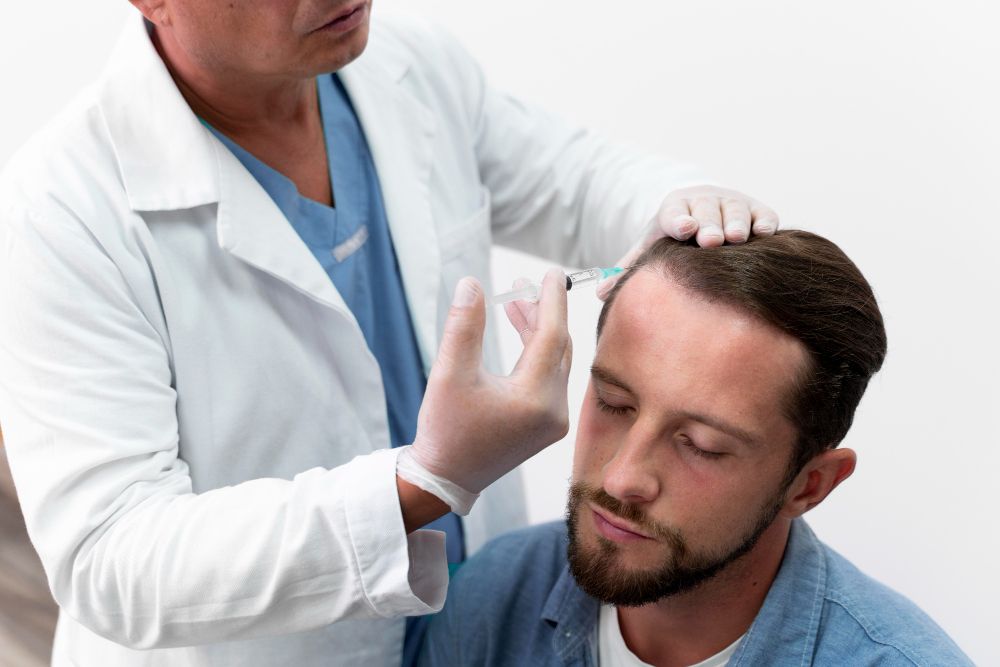
Beyond minoxidil and finasteride, options include platelet-rich plasma (PRP) therapy and low-level laser devices. PRP uses a patient’s blood to heal follicles, while lasers boost cellular activity in the scalp. Both require professional guidance for safe use.
Ketoconazole Shampoo: Antifungal Benefits
Ketoconazole shampoo reduces scalp inflammation and dandruff, which can contribute to hair loss. Using it twice weekly alongside other treatments may enhance follicle health by creating a cleaner, less irritated environment.
Microneedling for Scalp Stimulation
Microneedling involves rolling tiny needles over the scalp to create micro-injuries that trigger collagen production. This process can improve topical treatment absorption and stimulate dormant follicles. Sessions are typically done monthly in a clinic.
Lifestyle Adjustments for Hair Health
Diet, stress, and sleep impact hair growth. Eating protein-rich foods, managing stress through exercise, and getting seven to eight hours of sleep nightly support overall scalp and hair health. Avoiding tight hairstyles also prevents traction alopecia.
Monitoring Treatment Progress with Scalp Analysis Tools
Track changes using at-home tools like dermoscopes or apps that analyze hair density. These tools provide visual data to assess growth patterns over time. Clinics may use advanced imaging to measure follicle health, offering objective feedback on treatment effectiveness.
Customizing Non-Surgical Solutions
Non-surgical options like scalp micropigmentation or hair fibers offer immediate results. Micropigmentation mimics hair follicles with pigment dots, while fibers blend with existing hair for fuller coverage. Discuss suitability with a specialist based on your hair type and lifestyle.
Evaluating Treatment Effectiveness
Track progress using standardized photos taken monthly under consistent lighting. Note changes in hair density, coverage, and shedding levels. Most treatments require 6–12 months for visible improvement, requiring patience and consistency.
Common Pitfalls in Hair Loss Treatment
Stopping treatments prematurely, overusing products, and ignoring underlying health issues are frequent missteps. For example, discontinuing minoxidil halts new growth within weeks. Always follow a specialist’s timeline and dosage guidelines.
When to Consult a Specialist
Over-the-counter products may not work for advanced hair loss. If shedding persists despite home care, visiting a trichologist or dermatologist can provide proper diagnosis. Experts can recommend personalized plans, including clinical treatments or surgical options.
Non-Surgical vs. Surgical Options
Hair transplants offer permanent results but require recovery time and carry costs. Non-surgical systems, like customized wigs or scalp micropigmentation, provide immediate coverage without downtime. Weigh risks, budgets, and desired outcomes with a specialist.
Maintaining Results: Long-Term Scalp Care Strategies
Consistency is key to sustaining progress. Continue using prescribed treatments while maintaining a scalp-friendly routine. Regular check-ins with a specialist help adjustments align with evolving hair and scalp conditions.
Key Takeaway
Choosing the right scalp treatment depends on individual factors like hair type and loss severity. For more tailored advice, the best scalp treatments for hair loss provide starting points, but professional evaluation will guarantee effective, long-term results.