
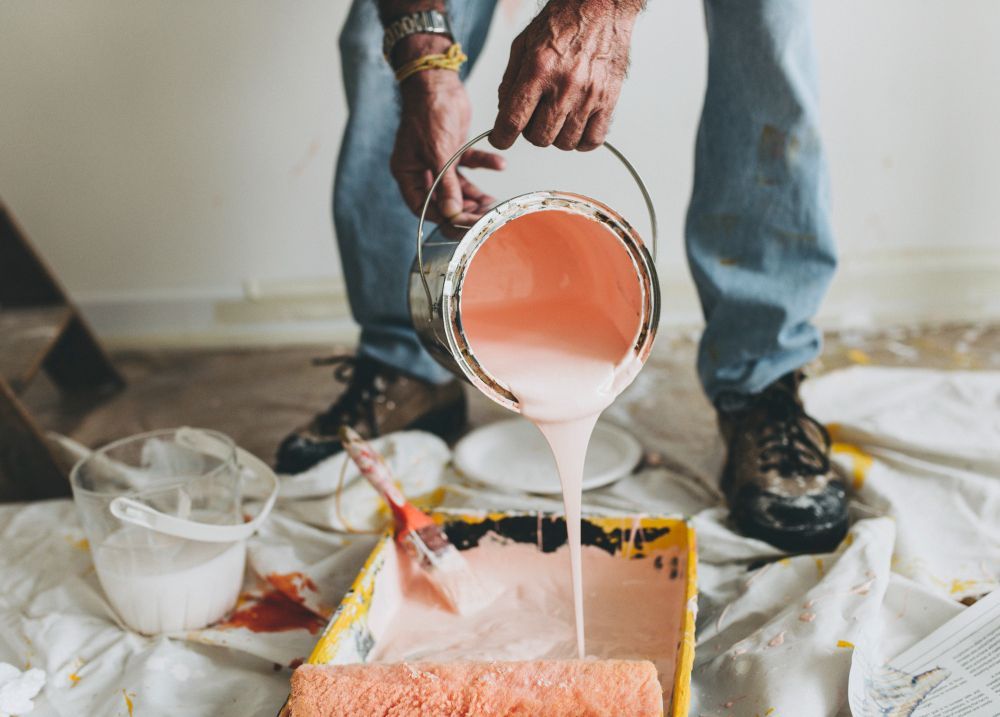
Fires can start inadvertently in buildings, and these are one of the many constant risks that building owners face. In order to reduce the spread of harmful fires, people use high-quality paints and coatings in the Philippines. This way, property owners gain valuable extra time to evacuate residents safely during unexpected emergencies.
What Are Fire-Retardant Coatings
Specialized flame retardant paints create protective barriers over vulnerable building materials during sudden heat exposure. Standard decorative coatings burn quickly and spread dangerous heat throughout structural walls. Advanced coatings form insulating layers that protect underlying steel and wood from collapsing.
Chemical Reaction Mechanics
Protective coatings activate automatically when temperatures reach dangerous levels inside burning room spaces. Chemical agents inside the paint layer release non flammable gases to suppress surrounding flames. This rapid chemical reaction prevents fire from spreading across bare wall surfaces quickly.
Intumescent Paint Options
Intumescent paint expands quickly into a thick protective foam layer when intense heat touches the surface. This thick foam shield keeps structural steel beams cool during high temperature factory fires. Building contractors apply these liquid coatings to preserve structural integrity inside commercial centers.
Cementitious Coating Materials
Cementitious coatings contain heavy cement mixtures that shield industrial structural components against direct flame exposure. Factory teams apply these dense plaster products over structural columns using high pressure application equipment. These durable layers resist physical impact while resisting extreme temperatures during structural emergencies.
Pyrophoric Isolation Factors
Flame retardant chemicals stop heat transmission before thermal energy damages sensitive underlying structural materials. Wood surfaces receive crucial protection because chemical barriers prevent organic matter from igniting easily. Treated structures retain physical strength longer while emergency teams extinguish surrounding structure fires.
Substrate Compatibility Ranges
Different building materials require specific chemical formulations to create strong protective surface bonds. Paint chemists design special formulas for structural steel, interior timber, and commercial drywall panels. Property buyers must match coating types with exact surface materials before ordering supplies.
Why Properties Require Protective Finishes
Unprotected wooden frames and metal beams lose structural strength very quickly during sudden fire events. Applying certified thermal barriers reduces structural destruction and protects valuable physical business assets. Property managers fulfill national building code safety requirements by coating internal structural frameworks properly.
Structural Integrity Defense
Extreme heat weakens bare metal support beams and causes heavy roof structures to collapse suddenly. Heat resistant coatings isolate metal surfaces from intense thermal energy during major building fires. Preserving load bearing columns gives emergency crews extra time to rescue trapped occupants.
Verified Fire Resistance Ratings
Laboratory technicians test protective coatings to determine exact hourly fire resistance ratings under heavy heat. Certified products specify clear protection windows ranging from thirty minutes to two full hours. Property buyers must check official testing certificates before purchasing chemical supplies for large building sites.
Resisting Tropical Weather Damage
Modern protective products guard building surfaces against heavy moisture damage in tropical climates. Humidity causes standard paint to peel and exposes raw building materials to sudden flame damage. Protective coatings prevent mold growth while maintaining clean visual appearance inside commercial properties.
Legal Compliance Obligations
Local government units enforce strict fire safety codes across commercial and industrial building properties. Building inspectors check fire protection measures before granting operating permits to commercial business owners. Applying certified flame retardant coatings helps commercial properties avoid heavy fines and forced closures.
Financial Loss Reduction
Property destruction from sudden building fires creates severe financial losses for commercial business owners. Investing in flame retardant surface treatments lowers total property damage during unexpected fire incidents. Insurance companies often offer lower policy premiums to commercial properties using certified fire coatings.
How Contractors Apply Flame Retardant Coatings
Contractors clean target surfaces thoroughly to remove dust and loose rust before applying chemical products. Proper surface preparation allows thick liquid paint to bond directly with structural metal frames. Skipping surface cleaning causes protective layers to peel off during high temperature exposure events.
Surface Primer Requirements
Engineers apply special primer coats over raw steel to prevent corrosion before adding protective layers. Primers create smooth bonding surfaces that allow flame retardant coatings to adhere firmly. Skipping primer application causes chemical coatings to flake off under heavy environmental stress.
Application Equipment and Coverage Rules
Painters use airless spray guns to apply heavy liquid coatings evenly across large steel surfaces. Workers measure wet film thickness carefully to meet specified manufacturer coverage requirements during application. Thin paint layers fail to expand properly when heat hits the coated structural surface.
Environmental Drying Conditions
High atmospheric humidity levels in tropical regions affect how fast liquid coatings dry properly. Contractors monitor ambient room temperatures to ensure liquid paint cures without trapped moisture bubbles. Proper drying conditions guarantee maximum fire protection performance during sudden thermal exposure events.
Thickness Measurement Procedures
Contractors use specialized magnetic gauges to test dry film thickness after paint layers cure completely. Inspecting coating depth across every structural beam guarantees uniform heat defense during fire emergencies. Substandard paint thickness requires immediate recoating work to achieve certified fire resistance ratings.
Safety and Environmental Factors
Low chemical emission paints protect worker health inside enclosed construction spaces during heavy application work. Construction teams review product safety data sheets to handle liquid chemical supplies safely on site. Using non toxic formulas maintains healthy indoor air quality for future office workers.
Key Takeaway
Investing in flame retardant surface coatings shields valuable commercial buildings from sudden fire destruction. The application of certified paints and coatings in the Philippines keeps properties safe and fully compliant with safety regulations. So, by opting for verified protective products for each construction project, property owners preserve their physical assets.