
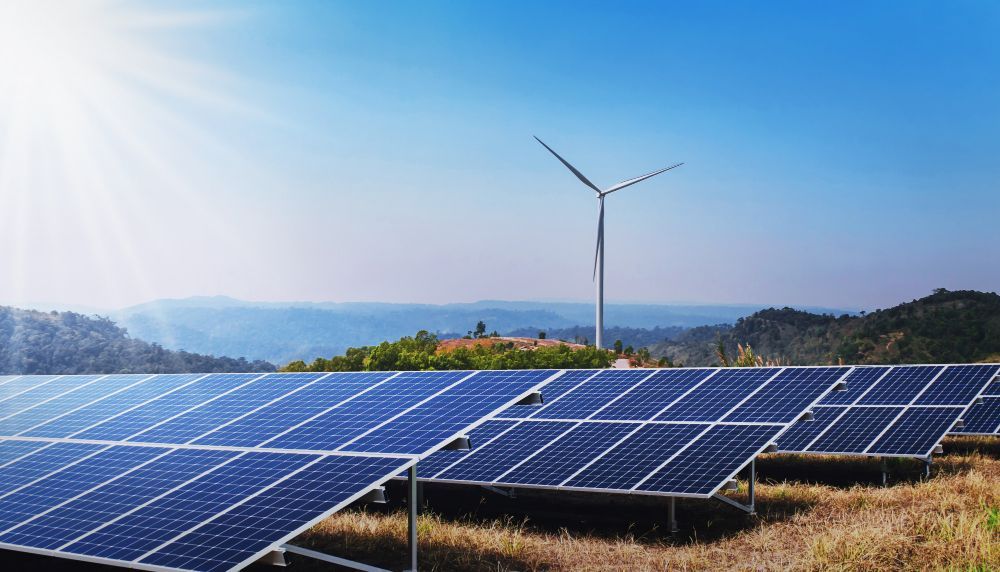
With the world opting to go more sustainable and clean, people nowadays often look for alternatives to replace expensive fossil fuel power plants. And Filipinos are jumping in the wagon. One solution that’s been gaining popularity is the use of solar energy in the Philippines. Using solar panels, it offers a decentralized way to generate electricity.. But how does this compare to geothermal power? In this guide, we’ll help property owners evaluate national energy options.
What is Photovoltaic Power Generation?
Photovoltaic power generation turns raw sunlight into usable electrical currents using specialized silicon cells. Rooftop panels absorb solar rays during daytime hours to power household cooling systems and kitchen appliances. This clean generation method depends entirely on daily weather conditions and clear afternoon skies to work.
What is Geothermal Power Generation?
Geothermal power uses natural underground steam reservoirs found near volcanic areas that are still active. Heavy industrial production wells pump hot high-pressure steam upward to turn large electrical turbine blades. This heavy utility setup provides a continuous supply of electricity regardless of daily weather changes.
What is the Concept of Base Load Power?
Base load power represents the minimum amount of electricity a plant must continuously supply to the grid. Large geothermal plants run constantly to provide a steady stream of energy for factories and cities. This non-stop production capability keeps national electrical grids steady during peak nighttime usage hours.
What is Intermittent Power Generation?
Intermittent power generation describes electricity production that stops and starts based on changing natural elements. Solar panels experience production drops during heavy monsoon rains or when dark evening shadows cover the sky. This fluctuation means grid operators must connect backup systems to maintain steady household power.
Why Do Geographical Positions Favor Both Systems?
Geographical positions favor both systems because the country sits directly along the sunny tropical equator line. This tropical placement provides excellent daily sun exposure for commercial and residential rooftop panels throughout the year. The country also sits on the Pacific Ring of Fire, providing massive underground volcanic heat reserves.
Why Does Roof Solar Save Residential Homeowners Money?
Roof solar saves residential homeowners money because generating power at home lowers your monthly utility consumption. Property owners bypass expensive distribution fees by consuming electricity directly from their own rooftop panels. This setup protects your private household budget from unpredictable retail rate increases over time.
Why Does Geothermal Energy Require High Upfront Investment?
Geothermal energy requires high upfront investment because exploration teams must drill deep test wells into rock layers. Developing these deep thermal reservoirs involves expensive heavy machinery and complex geologic survey procedures. Investors spend millions of dollars before a single megawatt of electricity reaches commercial consumers.
Why Do Solar Installations Deploy Faster?
Solar installations deploy faster because technicians assemble metal mounting racks and modules in just a few days. Residential setups do not require complex excavation work or deep structural drilling into Earth layers. Homeowners start generating their own free electricity almost immediately after connecting the main inverter box.
Why Does Weather Volatility Affect Solar Output?
Weather volatility affects solar output because thick typhoon clouds block light rays from hitting silicon cells. Afternoon rainstorms reduce panel efficiency, causing a temporary dip in home electrical generation levels. Solar arrays require clear paths to the sky to maintain peak rated power outputs.
Why is Geothermal Energy Immune to Weather?
Geothermal energy is immune to weather because underground volcanic reservoirs remain hot regardless of surface rainstorms. Heavy typhoons and dark midnight skies do not change the temperature of deep subterranean steam fields. This constant thermal condition allows geothermal stations to generate electricity every hour of the year.
How to Compare Environmental Footprints?
Compare environmental footprints by looking at the physical land area required for each generation method. Rooftop solar setups use existing home spaces without clearing tropical forests or disturbing natural animal habitats. Geothermal plants require dedicated industrial zones near mountains, which can impact local wilderness areas.
How Do Long-Term Operational Expenses Compare?
Long-term operational expenses compare differently because solar panels have no moving parts that require frequent mechanical replacement. Workers simply wash the glass panels with clean water to maintain steady factory performance levels. Geothermal plants require continuous pipe maintenance to prevent mineral buildup from damaging turbine blades.
How Does Grid Connection Differ for Both?
Grid connection differs because geothermal plants connect directly to high-voltage national transmission lines as centralized suppliers. Small rooftop solar installations operate as decentralized systems that power individual houses first before sharing excess. This difference affects how regional utility companies manage power distribution across residential neighborhoods.
Key Takeaway
When looking at your options, you have to weigh the constant production of volcanic steam against the installation of panels on your roof. Using solar energy in the Philippines offers individual families immediate relief from expensive electricity rates. But putting together decentralized solar panels and centralized geothermal plants makes a reliable mix of clean energy for the future.