
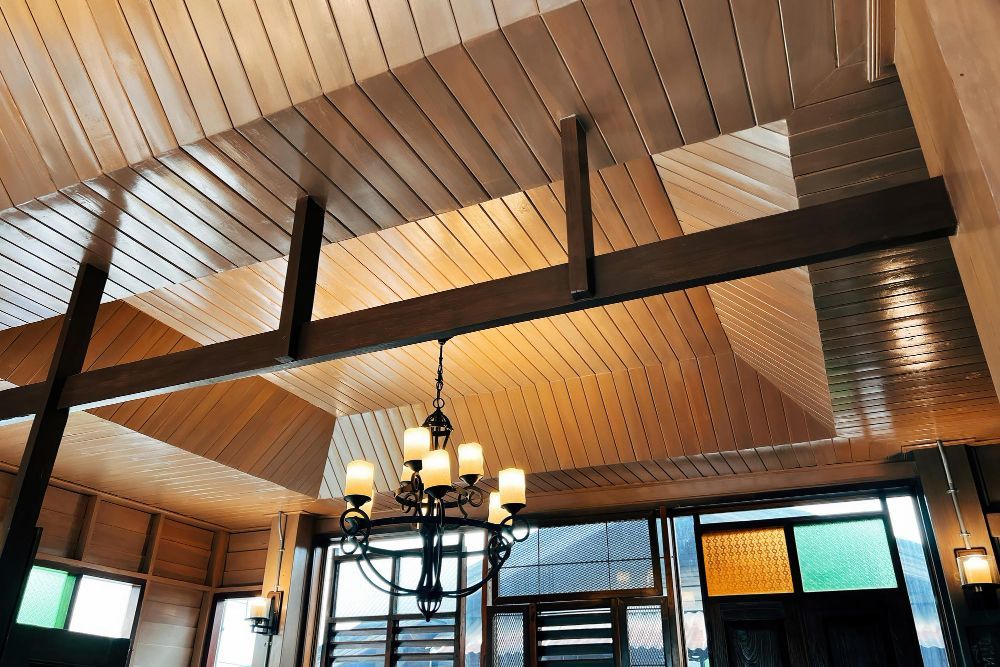
Filipino homeowners want to add warmth to their homes using natural materials. So many use wood ceiling panels in the Philippines to help create that look of coziness that lasts for many years. But you have to know which materials can handle the local tropical weather and high moisture. Let’s get into that now.
What are Wood Ceiling Panels?
These panels are thin boards made from natural timber or engineered wood products. Most people have them installed on their ceiling to hide wires and provide extra insulation. They also come in many colors and textures to match any interior design style.
Why Does the Local Climate Matter for Your Ceiling?
The Philippine climate is very humid and sees plenty of rain throughout the year. The high moisture it brings causes cheap or untreated wood to warp, rot, or attract termites. So using the right kind of wood will really protect your investment from these common environmental problems.
Why Pick Natural Wood for Your Home?
Natural wood has that classic beauty that synthetic materials usually fail to copy. It has a unique grain pattern, making every room feel more high-end and inviting. Real wood also acts as a natural sound damper to keep your rooms quiet.
Why is Termite Resistance Necessary?
Termites are a big concern for any homeowner living in a tropical region. Take note, untreated wood acts as a food source for these pests and leads to expensive repairs. Better go for species like Teak or Yakal that naturally resist insect attacks.
Why Use Engineered Wood Alternatives?
Engineered wood like plywood or fiberboard is typically more stable than solid planks. These products are made by bonding wood fibers together with strong adhesives under high pressure. This process makes the panels less likely to expand or shrink when the humidity changes.
Why is Proper Ventilation Important?
Hot air rises and often gets trapped between the roof and the ceiling. Without proper airflow, moisture builds up and damages the back of your wooden panels. Good ventilation keeps the wood dry and prevents the growth of mold or mildew.
How to Pick the Best Wood Species?
You should start by looking at local hardwoods like Narra, Kamagong, or Tanguile. These local woods are already used to the humidity and heat of the Philippine islands. They offer better durability compared to imported softwoods like Pine which may rot faster.
How to Check the Moisture Content?
Before installation, you must check that the wood is properly kiln-dried to a low moisture level. Wood that is too wet will shrink after it is installed, leaving ugly gaps. Most professional suppliers will provide data on the drying process of their timber.
How to Apply Protective Coatings?
Applying a high-quality polyurethane or varnish creates a barrier against water and humidity. You should coat all sides of the panel, including the edges, before they are mounted. This extra step stops moisture from entering the wood grain from the hidden side.
How to Install Panels for Long-Term Success?
You should leave a tiny gap between the panels to allow for natural expansion. Using stainless steel nails or screws prevents rust stains from appearing on your beautiful wood surface. A professional carpenter can help align the boards perfectly for a clean finish.
How to Maintain Your Wood Ceiling?
Dusting your ceiling every month prevents dirt from dulling the natural shine of the wood. You should also check for any signs of water leaks from the roof immediately after a typhoon. Treating the wood with a fresh coat of oil every few years keeps it looking new.
How Much Do These Materials Cost?
Prices for ceiling panels vary depending on the rarity of the wood and the thickness. Local plywood panels are the most affordable option for those on a tight budget. Premium hardwoods will cost more upfront but provide a much longer lifespan for your home.
How to Find Reliable Suppliers?
Visit local lumber yards or hardware centers to see the actual texture and color of the wood. Ask for recommendations from architects who have experience with tropical residential projects. Always verify that the wood is sourced legally from sustainable forests.
How to Decide Between Planks and Sheets?
Individual planks have a traditional look with visible lines between each piece of wood. On the other hand, large sheets are faster to install and provide a smoother, more seamless appearance. But your choice depends entirely on the specific aesthetic you want to achieve for your space.
How to Enhance the Ceiling with Lighting?
Recessed lights work very well with wooden panels to highlight the natural grain. You can also use warm LED strips along the edges to create a floating ceiling effect. Proper lighting brings out the rich colors of the wood during the evening.
Key Takeaway
Getting the right materials for your home means you have to balance style and durability. When you use high-quality wood ceiling panels in the Philippines, your room can stay beautiful despite the heavy rains. So remember to always prioritize treated or local hardwoods if you want the best results for your tropical living space.