
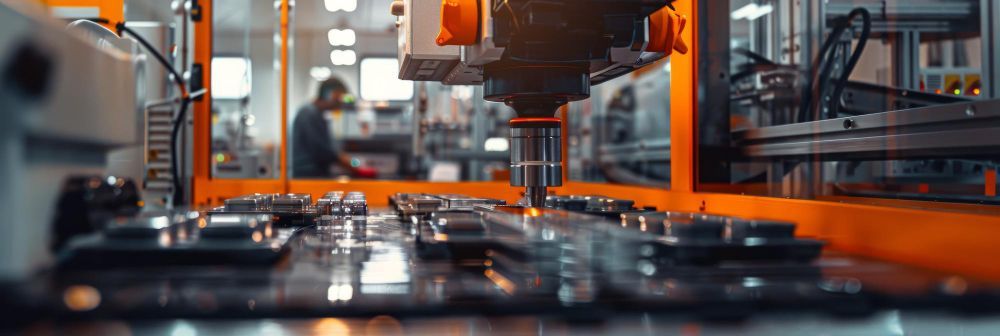
Modern electronic devices use internal hardware that’s smaller and more complex than ever before. But to produce such tiny components with extreme accuracy and repeatability, businesses acquire the services of precision plastic injection molding in China. This specialized process supports the high-volume production of the miniature connectors and housings found in every modern smartphone and computer.
What Defines Micro Precision for Electronics?
Precision molding focuses on creating parts with tolerances that allow no room for error. When performing precision plastic injection molding, engineers have to manage dimensions that are commonly smaller than a millimeter. These tiny plastic parts serve as the skeletal framework for delicate electronic circuits and power systems.
Why Do Electronic Components Need Tight Tolerances?
Small electronic assemblies fail if a single plastic part is slightly out of alignment. Components like fiber optic connectors or micro-switches require exact fits to maintain electrical connectivity and signal strength. Maintaining these tight limits prevents assembly delays and provides a result where the final device operates without technical glitches.
How Do Electric Molding Machines Improve Results?
Electronic parts benefit from the use of all-electric injection molding machines instead of older hydraulic models. These machines provide superior control over the injection speed and pressure during each production cycle. This high level of repeatability is the secret to producing millions of identical parts without dimensional drifting.
Designing for Micro-Scale Geometry
The design phase for electronics focuses on thin walls and microscopic structural features. Engineers use specialized software to predict how liquid plastic will fill these tiny spaces without cooling too early. Proper geometry prevents structural weaknesses in parts that must protect sensitive copper wiring and silicon chips.
Optimizing High-Speed Tooling
Creating a mold for micro-electronics requires advanced CNC machining and electrical discharge machining. These tools cut the steel with such precision that the resulting cavities are virtually mirror-perfect. High-speed tooling allows for the production of sharp edges and tiny holes that define modern electronic interfaces.
Managing Advanced Thermal Resins
Electronics often generate heat, so the plastics used must withstand high temperatures without melting or warping. Molding experts help identify high-performance resins like Liquid Crystal Polymer or polyphenylene sulfide for these applications. These materials offer the thermal stability and flow characteristics needed for the thinnest electronic housings.
Implementing Automated Inspection
Manual quality checks are impossible when a part is smaller than a grain of rice. Factories utilize high-resolution vision systems to scan every component for microscopic defects or flashes. These automated cameras provide an instant verification that every part meets the strict engineering requirements of the client.
Utilizing Cleanroom Assembly
Dust and debris can ruin a precision electronic part by interfering with its mechanical or electrical function. Many facilities for precision plastic injection molding in China operate within ISO-certified cleanroom environments. This filtered air protects the integrity of the plastic and prevents contamination during the cooling and packaging stages.
What is the Impact of Multi-Cavity Molds?
Scaling production for global electronics markets requires molds that can produce many parts at once. Multi-cavity tools allow a single machine cycle to create dozens of precision components simultaneously. This approach reduces the cost per unit while maintaining the high standards required for consumer electronics.
How Does Mold Venting Protect Components?
Tiny molds can easily trap air, which leads to burn marks or incomplete fills in the plastic. Precision venting allows air to escape through gaps that are too small for the molten plastic to enter. Effective venting results in a denser part that is more resistant to the stresses of assembly and daily use.
Why Do Gate Locations Matter for Flow?
The gate is where the plastic enters the cavity, and its placement dictates the strength of the final part. For electronics, gates must be positioned to avoid creating visible seams or weak points in critical areas. Expert mold designers calculate these locations to provide a balanced flow across the entire microscopic geometry.
How Do Cooling Lines Maintain Accuracy?
Temperature control within the steel mold is a major factor in preventing part warpage. Even a small temperature fluctuation can cause a micro-component to shrink unevenly and lose its precise shape. Internal water channels regulate the tool temperature to keep dimensions consistent throughout the entire production run.
What is the Function of Ejector Pins?
Pushing a tiny, delicate part out of a mold requires a gentle and perfectly timed mechanism. Specialized ejector pins are designed to distribute pressure evenly so the plastic does not bend or crack during removal. This careful handling is a requirement for preserving the fine details of small electronic components.
Key Takeaway
When it comes to electronics, a successful precision plastic injection molding in China depends on advanced machinery and strict environmental controls. A focus on micro-tolerances and high-performance resins results in reliable components for the modern world. This technical expertise helps electronic projects move from the laboratory to the hands of consumers around the globe.