
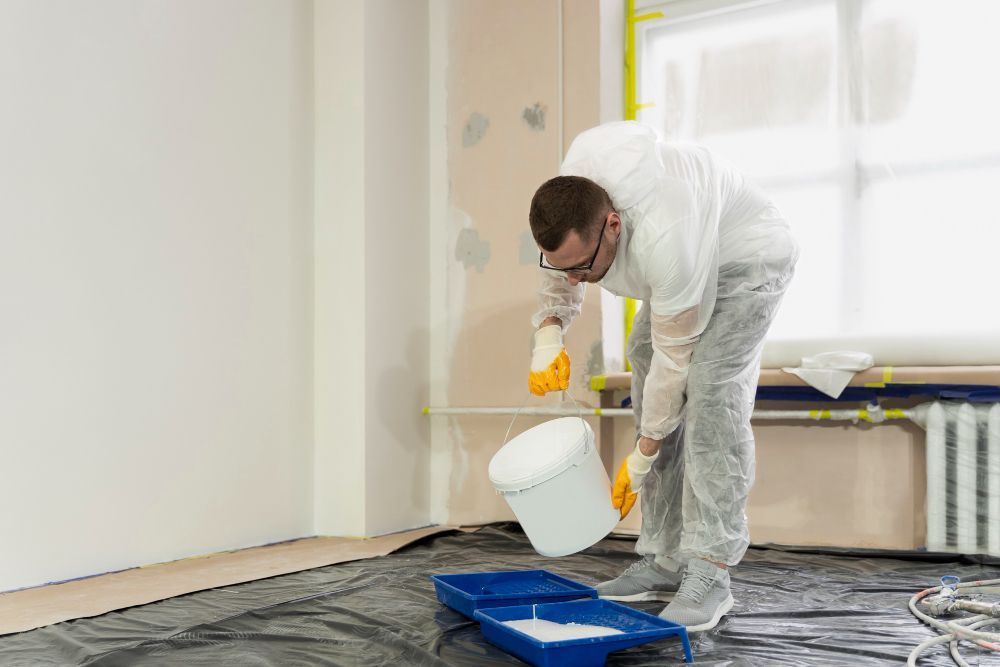
Constructing long-lasting structures requires materials capable of handling diverse building environments. To meet these challenges, epoxy resin in Philippine construction suits local demands like humidity, heavy foot traffic, and industrial wear with its chemical resistance and strength.
Common Uses of Epoxy Resin in Philippine Construction
Epoxy resin strengthens concrete floors in factories, warehouses, and garages. It resists heavy machinery, chemical spills, and constant foot traffic. This makes it ideal for manufacturing hubs and storage facilities.
Industrial Flooring Applications
Factories and processing plants use epoxy resin to coat concrete floors. The material seals gaps, prevents dust buildup, and withstands harsh industrial conditions. In the Philippines, food production units and automotive workshops rely on this durability.
Food Processing Plants
Epoxy floors in food processing plants meet strict hygiene standards. They resist acidic cleaners and high-pressure washing. Manufacturers use seamless epoxy coatings to prevent bacterial growth in drainage areas.
Automotive Manufacturing Facilities
Car assembly plants apply epoxy resin to garage floors. The material withstands oil leaks, tire friction, and forklift movement. Two-coat systems with anti-slip additives improve safety in maintenance bays.
Commercial and Residential Spaces
Shopping malls, offices, and homes apply epoxy resin for seamless, glossy finishes. It comes in multiple colors and textures, letting builders match design preferences. Contractors favor it for low-maintenance flooring in high-end properties.
Residential Garage Upgrades
Homeowners opt for quartz-filled epoxy systems in garages. These blends handle vehicle tire pressure and resist gasoline spills. Contractors recommend 3mm thickness for residential durability.
Waterproofing and Moisture Protection
Epoxy resin acts as a barrier against water damage in basements, bathrooms, and rooftops. Buildings in flood-prone areas use it to prevent seepage and mold growth. Its waterproof layer extends a structure’s lifespan.
Rooftop Coating Systems
Commercial buildings use epoxy-based membranes on rooftops. These coatings expand/contract with temperature shifts, preventing cracks during monsoon seasons. Installers embed fiberglass mesh in critical areas like drain outlets.
Decorative and Customizable Designs
Contractors mix epoxy resin with pigments or flakes to create unique patterns. Hotels and retail spaces use it for eye-catching floors. The material’s flexibility allows logos, borders, and 3D effects.
3D Art Flooring in Hospitality
Hotels embed printed vinyl images under transparent epoxy layers. This technique creates underwater or forest scenes in lobbies. Installers apply 4-6mm thickness to protect artwork from foot abrasion.
Metallic Epoxy Trends
Interior designers blend metallic powders with epoxy to produce swirling marble effects. Proper mixing ratios—typically 3:1 resin to hardener—ensure consistent color flow. Backlighting enhances the shimmer in premium office spaces.
Protective Coatings for Infrastructure
Bridges, parking lots, and tunnels get epoxy resin coatings to resist UV rays, oil leaks, and weather wear. In coastal areas, it shields concrete from saltwater corrosion. This application is common in port facilities.
Bridge Deck Protection
Bridge epoxy coating systems include anti-carbonation additives. Workers apply 500-micron thick layers using airless sprayers, followed by grit-blasted anti-slip toppings for vehicle traction.
Underground Parking Solutions
Basement parking areas use waterborne epoxy formulations. These low-VOC options meet fire safety codes while resisting tire marks. Installers add aluminum oxide to topcoats for abrasion resistance.
Maintenance and Longevity Benefits
Epoxy resin floors require minimal upkeep—just regular sweeping and occasional mopping. Their resilience reduces repair costs over time. In the Philippines’ humid climate, they stay intact without peeling or cracking.
Cleaning Protocols
Commercial facilities follow a three-step routine: daily dust mopping, weekly neutral-pH detergent mopping, and quarterly burnishing. Avoid steam cleaning above 60°C to prevent thermal shock.
Epoxy Resin in Healthcare Facilities
Hospitals and clinics use epoxy resin for sterile, hygienic environments. Its seamless finish prevents bacterial growth in joints or cracks. In medical centers, it coats floors and walls to meet strict sanitation standards. The material resists disinfectants and frequent cleaning, making it ideal for operating rooms and laboratories.
Operating Room Requirements
Epoxy floors in Manila’s St. Luke’s Hospital meet ISO 14644-1 cleanroom standards. Conductive epoxy variants control static buildup during surgeries. Wall cove bases with 6-inch height prevent liquid seepage at floor-wall junctions.
Laboratory Chemical Resistance
Testing labs use epoxy coatings rated for chemical exposure. Thickness above 4mm ensures protection against frequent chemical spills in diagnostic centers.
Environmental Considerations in Epoxy Use
Epoxy resin contributes to sustainable construction through durability and low emissions. Builders opt for low-VOC (volatile organic compound) variants to improve indoor air quality. Long-lasting epoxy floors reduce replacement waste, aligning with green building trends.
Low-VOC Formulations
Low-VOC epoxy systems contain reduced volatile compounds. Contractors use water-based primers for indoor projects, avoiding solvent odors during application.
Selecting the Right Epoxy for Philippine Climates
Choosing epoxy resin for projects requires understanding local conditions. High humidity and sudden rains demand formulations that cure quickly and resist moisture. Contractors often use amine-based epoxies for faster drying in tropical heat. For coastal areas, saltwater-resistant blends protect structures from corrosion and UV degradation.
Humidity-Resistant Blends
Projects in Palawan’s coastal resorts use amine-modified epoxies that cure at 85% relative humidity. These formulations achieve full cure in 12 hours at 30°C, preventing moisture-related defects.
UV-Stable Topcoats
Outdoor epoxy installations need aliphatic polyurethane topcoats. These clear layers maintain gloss for five years without yellowing under sunlight exposure.
Key Takeaway
Few materials deliver both industrial durability and visual appeal in demanding environments. So to support cost-effective, sustainable building practices across industries, businesses utilize epoxy resin in Philippine construction.