
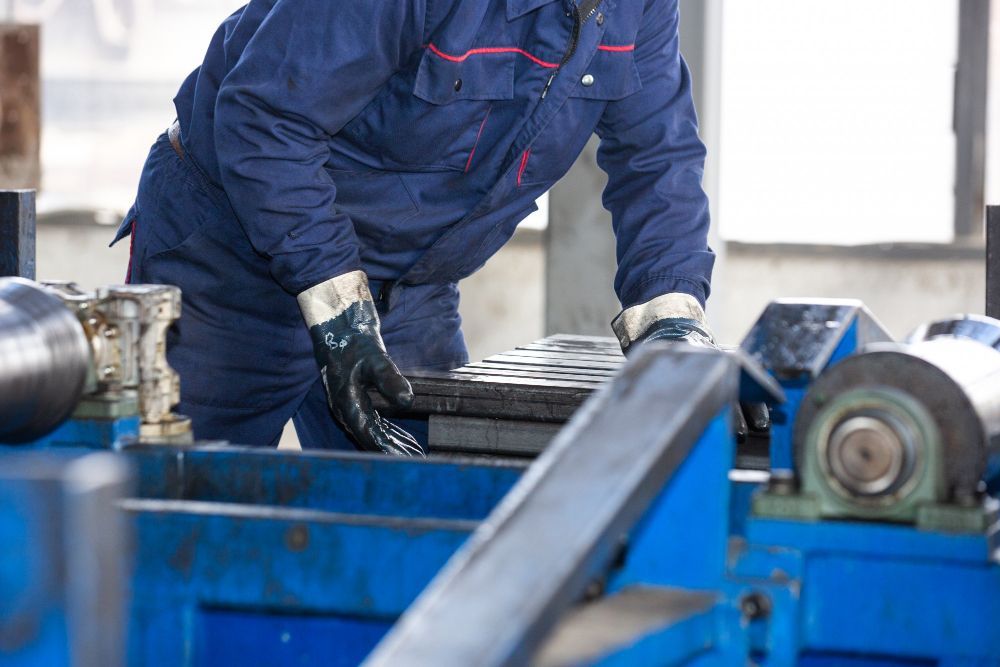
Worksite safety in the Philippines depends entirely on access to quality and sturdy construction materials. Through securing high-grade construction supplies in the Philippines, builders fulfill structural and regulatory standards without delays. This guide breaks down how to identify trustworthy suppliers and prioritize safety-focused products.
Understanding Philippine Construction Regulations
Every project must align with national safety codes. The Philippines enforces standards through agencies like the Department of Public Works and Highways (DPWH) and the Occupational Safety and Health Center (OSHC). Familiarize yourself with Presidential Decree 1185 and Batas Pambansa Blg. 344 for compliance from design to delivery.
Key Standards for Material Safety
Steel must meet ASTM A615 specifications for rebar. Concrete products should adhere to ASTM C33 guidelines for aggregate quality. Request compliance documents before accepting shipments to avoid legal or structural risks.
Evaluating Supplier Reliability
A supplier’s track record shapes project outcomes. Look for companies with long-term partnerships and transparent sourcing practices. Consistent delivery timelines and clear communication also signal reliability, reducing delays and onsite hazards.
Factors to Weigh When Choosing Suppliers
Check delivery history for past delays or damages. Review customer feedback on response times and problem resolution. Visit warehouses to assess inventory management and safety protocols for stored materials.
Logistics Infrastructure and Scalability
Suppliers with multiple distribution hubs can serve remote areas faster. Ask about fleet maintenance schedules and fuel efficiency plans to gauge operational stability during typhoon seasons or road closures.
Onsite Safety Equipment Integration
Other than structural materials, worksites need functional safety gear. Hard hats, high-visibility vests, and fall protection harnesses must meet DPWH and OSHC standards. Verify that suppliers provide updated certifications for each product batch.
PPE Requirements Beyond Basic Standards
Select helmets with adjustable suspension systems for comfort during long shifts. Choose gloves rated for chemical resistance when handling concrete additives. Harnesses should include energy-absorbing lanyards to reduce fall impact.
Equipment Maintenance and Inspection Routines
Establish daily checks for power tools and machinery. Use inspection tags to track expiration dates on safety gear like respirators. Partner with suppliers offering replacement programs for expired or damaged items.
Common Safety-Critical Materials
Steel beams, rebar, and scaffolding form the backbone of safe structures. These items must withstand environmental stressors like humidity and earthquakes. Suppliers should offer documentation proving material strength and compliance with national codes.
Steel Grades and Their Applications
Use ASTM A36 steel for general structural needs. Opt for ASTM A572 for high-stress applications like bridges. Verify mill certifications so tensile strength matches project requirements.
Scaffolding Load Capacities
Check if scaffolding components support at least 25% more than required weight. Look for corrosion-resistant coatings in coastal areas. Pair scaffolding with guardrails and toe boards to prevent falls.
Delivery Systems That Minimize Risk
Late or damaged deliveries compromise worksite safety. Top suppliers use centralized logistics networks to ensure timely arrivals. Real-time tracking systems let buyers monitor shipments and prepare for unloading, reducing handling errors.
Real-Time Tracking Benefits
GPS-enabled platforms update shipment locations every 15 minutes. Receive alerts for route changes or delays. Use this data to schedule crane operators or storage space in advance.
Contingency Planning for Delivery Disruptions
Identify alternative routes for typhoon-prone regions. Maintain contact lists for backup suppliers in case of road closures. Calculate buffer stock levels to sustain operations during unexpected delays.
Cost and Quality Considerations
Cheaper materials often lead to higher long-term costs from repairs or replacements. Compare prices across suppliers but prioritize quality assurance. Some companies offer bulk discounts without sacrificing product integrity, making budgeting easier.
Cost-Saving Strategies Without Compromising Safety
Negotiate contracts for repeat orders. Compare unit prices for standard vs. custom sizes. Factor in delivery fees and insurance costs when calculating total expenses.
How to Verify Product Claims
Request test reports and certifications before finalizing purchases. Visit warehouses or factories if possible to inspect storage conditions and manufacturing processes. Suppliers unwilling to share this information may lack accountability.
Third-Party Testing Labs
Use independent labs like SGS or Bureau Veritas to validate material claims. Pay for spot tests on random batches to ensure consistency. Keep copies of results for audit purposes.
Document Verification Checklist
Confirm certifications are up-to-date and relevant. Cross-check test reports with national standards. Match batch numbers on documents to delivered products for traceability.
Implementing Quality Control Protocols
Test materials before and during use. Conduct tensile strength tests on steel bars. Use moisture meters for lumber to prevent warping. Document all findings to track supplier performance.
On-Site Testing Procedures
Use rebound hammers to check concrete hardness. Perform load tests on scaffolding components. Train staff to identify defects in real-time, such as cracks in helmets or frayed harnesses.
Relevant Accreditation or Service Documentations and Audits
Check for ISO 9001 certifications. Review third-party audit reports from institutions like SGS. Certified suppliers often maintain higher quality control standards.
Red Flags in Certification Claims
Be wary of expired credentials. Verify certifications through official databases. Avoid suppliers who cannot provide recent audit summaries or refuse to explain compliance gaps.
Key Takeaway
Prioritize suppliers that guarantee both material quality and delivery consistency. For trusted construction supplies in the Philippines, focus on companies with proven logistics networks and rigorous quality checks. Verify certifications, maintain buffer stock for contingencies, and enforce regular equipment inspections to uphold onsite safety.