
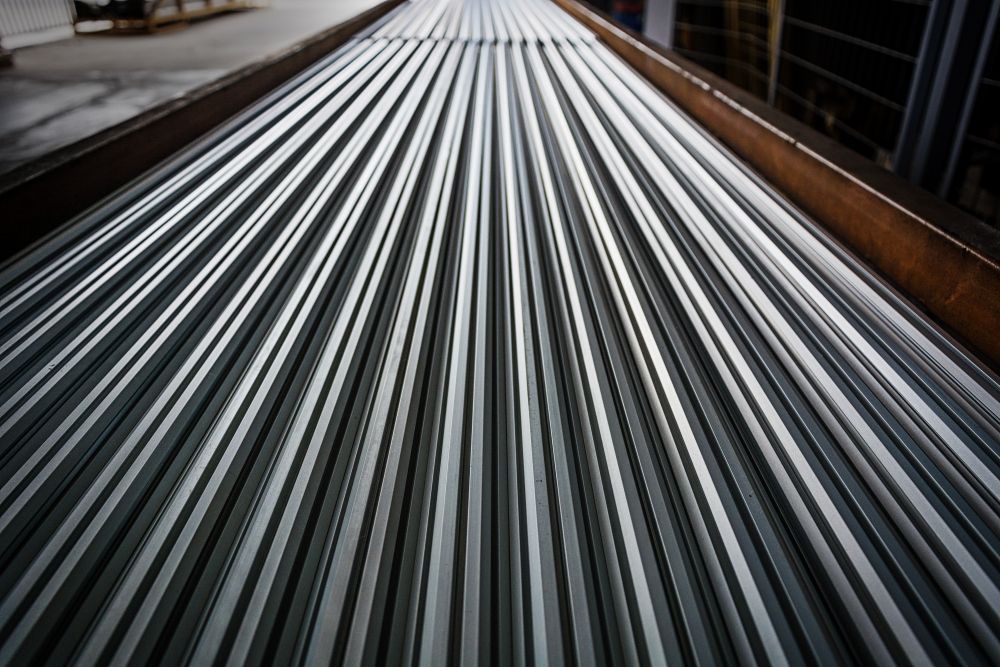
All around the Philippines, you can find stainless steel in various household items, industrial products, and building materials. As a result of its proven performance, steel in the Philippines remains a top choice for builders and manufacturers seeking reliable materials. This durable alloy resists rust and withstands harsh conditions, making it suitable for tropical climates.
Grades of Stainless Steel
Stainless steel comes in several grades, each suited for specific tasks. The 304 grade is common for kitchenware and appliances due to its corrosion resistance. Grade 316 adds extra durability for marine environments or chemical exposure. For industrial tools, 430 grade offers lower cost but less corrosion protection.
Choosing the right grade depends on the project’s needs. Household items rarely face extreme conditions, so basic grades work well. Industrial settings demand higher-grade alloys to handle heat or chemicals. Always match the steel’s properties to its intended use.
Common Uses in Philippine Industries
Stainless steel supports many sectors in the Philippines. Construction projects use it for structural beams and roofing. Food processing plants rely on it for hygienic surfaces and equipment. Hospitals use stainless steel for surgical tools and sterilization trays.
Coastal areas benefit from its resistance to saltwater corrosion. Fish processing facilities install stainless steel counters and tanks. Architects specify it for building facades and railings exposed to rain and humidity. Each application leverages the material’s strengths for safety and longevity.
How to Choose the Right Grade
Start by identifying the environment where the steel will function. Moisture levels, temperature extremes, and chemical exposure determine the required grade. For example, 316 grade suits coastal construction better than 304.
Compare the cost versus lifespan of different grades. Higher-priced alloys may last decades longer in harsh settings. Consult suppliers about specific project needs. They can suggest proven options for similar local conditions.
Corrosion Resistance in Philippine Climates
Corrosion resistance varies by grade and environmental exposure. In coastal regions, salt-laden air accelerates degradation, making 316 grade essential for outdoor installations. Inland areas with high humidity require 304 grade for moderate protection. Industrial zones with chemical exposure demand specialized coatings or higher alloys.
Test local conditions before finalizing a grade. For example, a 304 steel railing may last 10 years inland but only 3 years near the coast. Use salt spray tests to evaluate performance or consult case studies from similar projects in your area.
Installation Best Practices
Proper installation maximizes stainless steel’s durability. Contact between stainless steel and dissimilar metals like carbon steel causes galvanic corrosion. Non-metallic gaskets or coatings work well when joining materials.
For structural applications, tight seals around joints block moisture ingress. In roofing, overlap panels by at least 50mm to prevent water seepage. When welding, use filler rods matching the base metal’s composition to maintain corrosion resistance in seams.
Maintenance Frequency for Different Uses
Cleaning frequency depends on the application. Kitchen surfaces need daily wiping with mild detergent, while industrial equipment may require weekly degreasing. Outdoor installations in coastal zones should be rinsed monthly with fresh water to remove salt deposits.
For high-traffic areas like hospital door handles, antimicrobial coatings and weekly inspections reduce wear. In food plants, schedule nightly sanitization with food-safe disinfectants. Track maintenance intervals to prevent neglect in low-visibility zones like rooftop supports.
Cost Considerations
Pricing varies by grade, thickness, and supplier. Basic grades cost less but may need frequent replacement in tough conditions. High-performance alloys have higher upfront costs but last longer. Compare quotes from multiple vendors to find competitive rates.
Factor in maintenance expenses when calculating total costs. Some finishes require more upkeep than others. Bulk purchases may lower unit prices for large projects. Balance budget constraints with long-term durability needs.
Evaluating Supplier Reliability
Suppliers who provide material test reports and compliance certifications like ASTM or JIS standards offer better reliability. Ask for proof of third-party inspections or salt spray test results. Reliable vendors offer technical support for installation and maintenance.
Check delivery timelines, especially for remote areas. Local suppliers may offer faster lead times for urgent repairs. For large projects, negotiate volume discounts or just-in-time delivery to reduce storage costs.
Working with Suppliers
Reputable suppliers offer technical guidance and consistent quality. Ask about sourcing and testing procedures to ensure standards compliance. Reliable vendors provide material safety data sheets and usage recommendations.
Local suppliers often deliver faster service for urgent needs. Larger companies may offer volume discounts or installation support. Build relationships with suppliers who understand Philippine climate challenges and industry demands.
Troubleshooting Stainless Steel Issues
Identifying and Treating Surface Rust
Stainless steel is resistant to rust, but not immune. Discoloration or small spots often appear when the protective oxide layer breaks down. A mild abrasive like baking soda paste gently scrubs affected areas. Rinse thoroughly afterward to remove residue.
For severe cases, specialized rust removers designed for stainless steel work best. Steel wool or brushes leave metal particles behind and should be avoided. Regular inspections and prompt treatment prevent minor issues from worsening over time.
Key Takeaway
Stainless steel grades and proper care help Filipino businesses and homeowners maximize value. This material thrives in a wide variety of environments because of its resilient construction and well-considered grading. For quality options, steel in the Philippines provides reliable choices tailored to local conditions.